DPLGA Unveils New Corporate Plan, Structure and Brand Identity

Whats-App-Image-2025-08-23-at-16-56-39-3f4b11e9

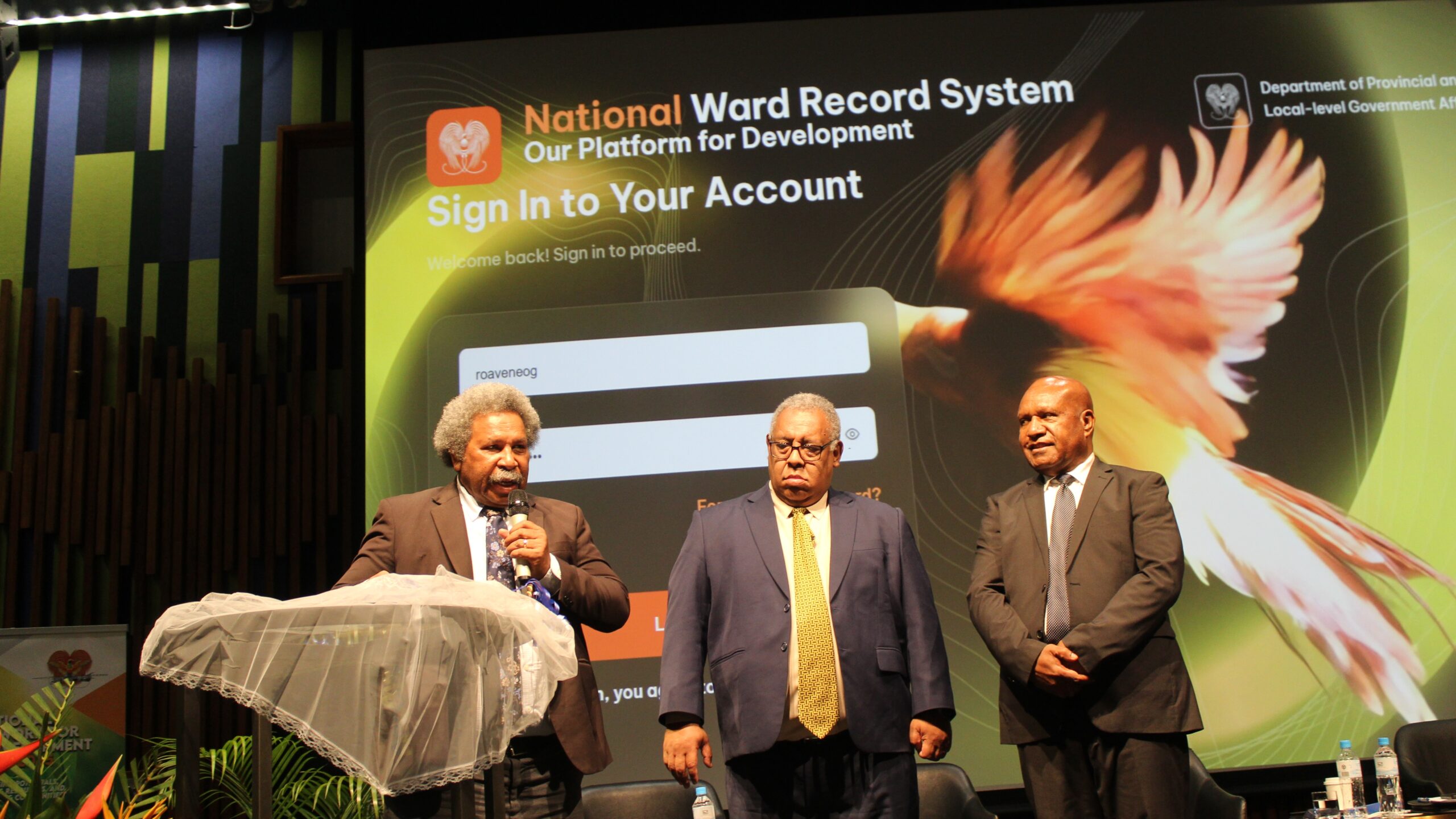
The Department of Provincial and Local Level Government Affairs (DPLGA) has officially embarked on a new chapter of reform and transformation, marked by the simultaneous launch of its Corporate Plan 2025–2030, a revamped organizational structure, and a rebranding initiative.

The event, held at the Holiday Inn in Port Moresby, was officiated by the Minister for Provincial and Local Level Government Affairs, Hon. Soroi Eoe, together with Department Secretary Philip Leo, Department of Personnel Management Secretary Taies Sansan, and senior officers of DPLGA.

Minister Eoe described the launch as a historic milestone, highlighting the Department’s pivotal role in governance over the past 50 years.
“As we move toward the nation’s Golden Jubilee, it is timely that DPLGA embraces transformation. This rebranding is not only about a new image but about building stronger systems of governance, accountability and integrity at every level,” he said.

Secretary Leo echoed the Minister’s message and urged staff to take ownership of the changes.
“Rebranding the Department also means rebranding ourselves. The new identity and logo will sharpen our visibility and strengthen engagement with all stakeholders,” Leo stated.

The Corporate Plan 2025–2030 outlines the Department’s priorities for the next five years, while the new structure introduces 20 province-based positions designed to improve accountability, enforcement, and service delivery. According to Secretary Leo, these reforms are strategically timed to ensure DPLGA is better positioned to deliver transparent, responsive, and community-focused governance into the future.

Source  : Sunday Chronicles

PNG ADOPTS SOUTH KOREA’S SMU MODEL TO DRIVE DEVELOPMENT

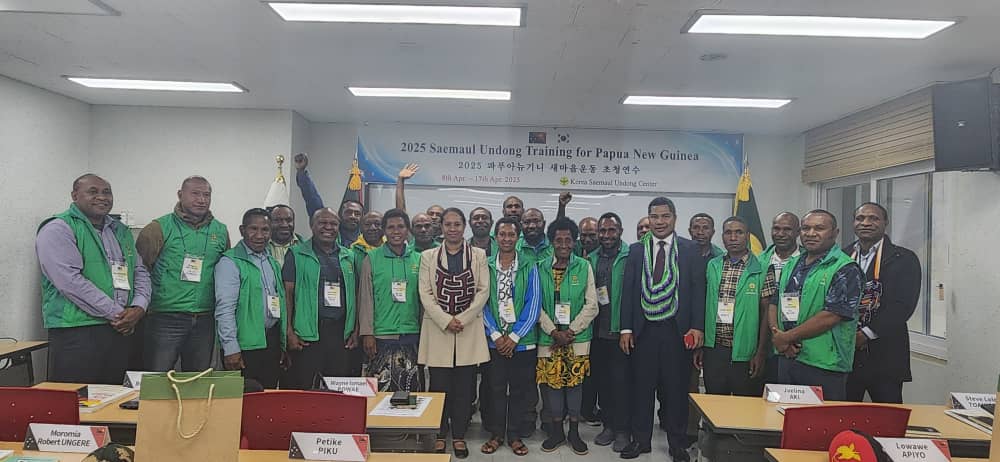
Papua New Guinea (PNG) is broadening its rural development strategy by implementing South Korea’s proven Saemaul Undong (SMU) model, after a successful 13-year trial in Eastern Highlands Province (EHP).

Minister for Provincial and Local Level Government Affairs, Soroi Eoe, revealed that the initiative will now expand to five more provinces.

The SMU, also known as the New Village Movement, is a grassroots development strategy that played a crucial role in South Korea’s transition from post-war poverty to economic prosperity. Focusing on self-reliance, collaboration, and community leadership, the model aligns with PNG’s goals to empower its rural populations.

Introduced in the 1970s, SMU revolutionized rural Korea by instilling values of hard work, mutual aid, and collective responsibility—principles PNG now hopes to integrate into its own development efforts.

Minister Eoe stressed that this initiative goes beyond infrastructure or programs—it represents a shift in mindset.

“The SMU model proves that true progress starts when communities take charge of their future. It’s about equipping them to identify challenges, utilize local resources, and collaborate for sustainable change. After over a decade of testing in Eastern Highlands, we’re confident in scaling this nationwide,” he said.

The expansion underscores the government’s focus on rural development as a key national priority. By adopting SMU, PNG aims to mirror Korea’s success, encouraging self-sufficiency and joint action to enhance rural livelihoods, infrastructure, and opportunities.

The model’s community-led approach complements PNG’s vision of inclusive growth, where every citizen contributes to national advancement.

Minister Eoe also expressed gratitude to the Marape/Rosso government for its leadership in backing the initiative.

“I extend sincere thanks to Prime Minister James Marape and Deputy Prime Minister John Rosso for prioritizing rural development and recognizing SMU’s transformative potential. Their endorsement through the NEC marks a turning point for provincial progress.”

This move builds on PNG’s ongoing efforts to strengthen rural services through participatory development. The Department for Provincial and Local Government Affairs has spearheaded similar projects, such as the Rural Service Delivery Project (RSDP), demonstrating how engaged communities can sustain their own growth.

As PNG moves forward, the government will collaborate with local leaders, residents, and international partners—including South Korea—to ensure SMU’s effective rollout. The initiative holds promise for unlocking rural potential, creating opportunities for all Papua New Guineans.

Minister Eoe, who represents Kikori, noted the timing’s significance, coinciding with PNG’s 50th Independence Anniversary.

“As we celebrate 50 years of sovereignty, embracing SMU reaffirms our dedication to self-reliance and nation-building. This milestone isn’t just about reflecting on achievements—it’s about shaping a future where rural communities lead PNG toward a smarter, stronger, and more prosperous 2050.”

Local Governance Capacity Building Initiative

The DPLGA has launched a new initiative aimed at strengthening local governance across Papua New Guinea. This capacity-building initiative focuses on training local government officers in leadership, financial management, and project implementation. By enhancing the skills of local leaders, the program seeks to improve service delivery and governance practices at the community level. The initiative also includes a mentorship component, where experienced officials provide guidance to newer leaders to foster development and ensure effective governance.


Southern Region PCMC Workshop

Participants of the Southern Region PCMC Workshop comprising of DPLGA staff as well as officers from the southern region Provinces listening and observing presenters doing presentations for their respective provinces.

Provincial Infrastructure Development Fund

The Provincial Infrastructure Development Fund (PIDF) continues to provide critical funding to support infrastructure projects across Papua New Guinea. Recent grants have enabled local governments to improve road networks, build new schools, and enhance water and sanitation systems. These projects aim to boost economic growth and improve living conditions in rural and urban areas. Local government officials are encouraged to submit proposals for future projects under the fund, with a focus on sustainability and long-term impact.